01
A clear identity
A Smart Rudder is a committed young learner who wants to understand technology deeply, practise consistently and use new capability to realise meaningful ideas.
CIRC flagship programme · Ages 10–16
CIRC’s branded AI and robotics programme for young people aged 10–16 who want to build real skills, develop original ideas and learn how to create technology responsibly.

Ages 10–16
CIRC training pathway
Hands-on AI & robotics
Portfolio evidence
01 / The CIRC programme
Smart Rudders Programme is CIRC’s structured learning pathway for 10–16-year-olds. Through expert-led classes, deliberate practice and increasingly independent projects, students develop the knowledge, confidence and practical capability to turn ideas into working AI and robotics solutions.
01
A Smart Rudder is a committed young learner who wants to understand technology deeply, practise consistently and use new capability to realise meaningful ideas.
02
CIRC connects programming, AI literacy, electronics, robotics and engineering design through coherent projects rather than disconnected demonstrations.
03
Every learner builds evidence through code, prototypes, test records, reflection and explanation—showing not only what they made, but how they improved it.
02 / The benefits
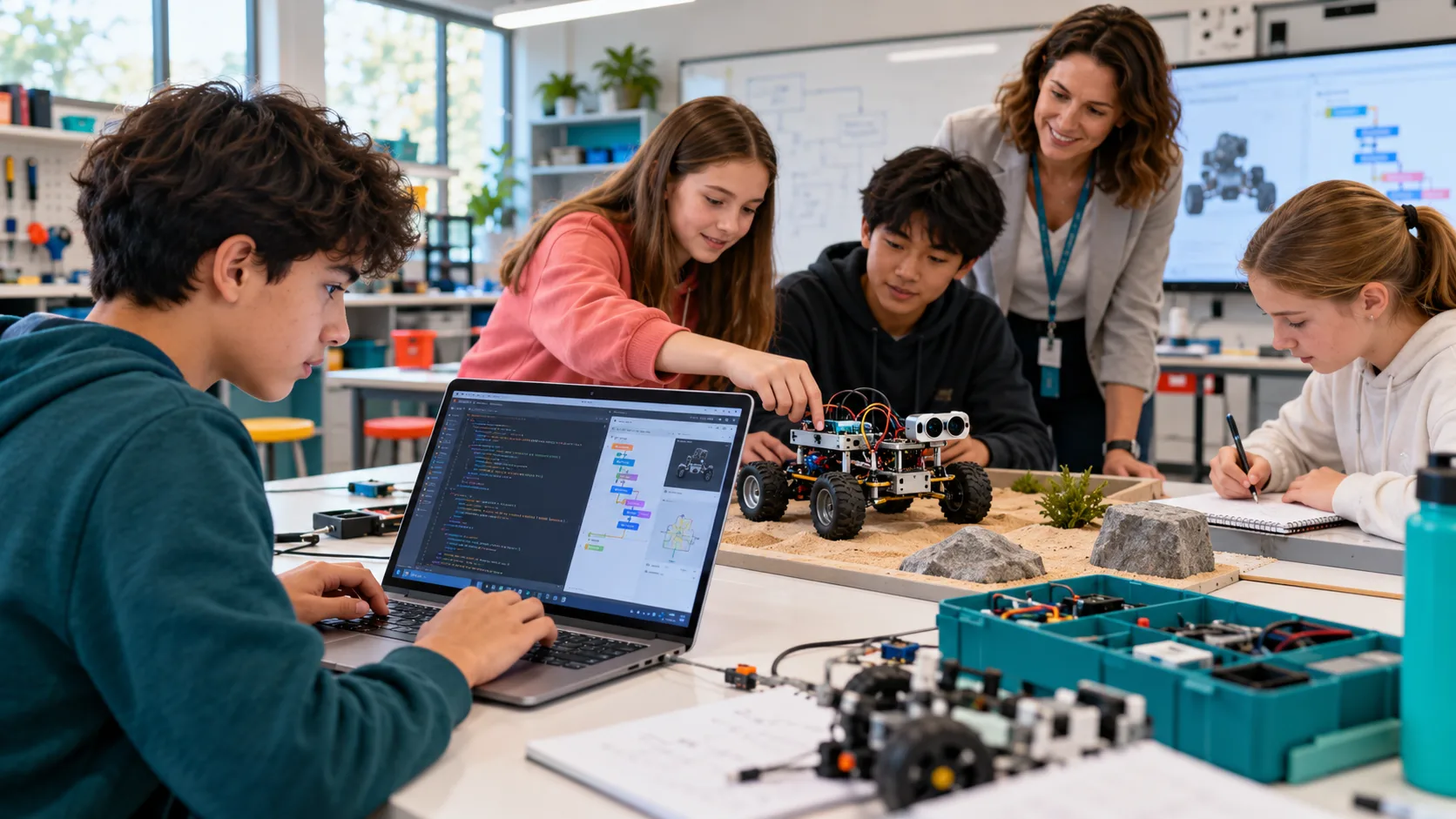
The value goes beyond learning to operate equipment. Students learn how to think, build, collaborate and communicate with increasing independence.
Capability
Develop programming, computational thinking, AI literacy, electronics, robotics and systematic debugging through sustained practice.
Confidence
Move from an early concept to a functioning prototype, learning to make decisions, solve problems and recover constructively from failure.
Portfolio
Create code, design notes, test results, demonstrations and project explanations that make progress visible to schools and families.
Community
Join other motivated learners who value curiosity, responsibility, teamwork and the discipline to keep improving.
01
Capability
Technical skills that last.
+
02
Confidence
Ideas become working systems.
+
03
Portfolio
Evidence others can see.
+
04
Community
A shared learning identity.
03 / Training pathway
Students can enter at an appropriate starting point. Progression depends on demonstrated understanding, safe practice and growing independence—not simply time spent in class.
01 · Foundations
Build dependable programming logic, algorithms, debugging habits and the ability to explain why a solution works.
02 · AI capability
Explore classification, computer vision, evaluation, limitations, responsible use and the importance of human judgement.
03 · Robotics
Combine sensors, control logic, mechanisms and movement to create systems that respond safely and reliably.
04 · Independent project
Define a meaningful problem, develop and test a solution, then present the evidence behind each design decision.
| Stage | Core focus | Typical evidence | Growing independence |
|---|---|---|---|
| Foundations | Logic, code and debugging | Working program and test notes | Explain why the code works |
| AI capability | Data, models and evaluation | Model results and limitations | Judge when people must decide |
| Robotics | Sensing, control and movement | Tested physical prototype | Tune behaviour safely |
| Independent project | Problem, user and solution | Portfolio and demonstration | Defend design decisions |
04 / Partnership for public benefit
Smart Rudders Programme is developed through collaboration between CIRC and Wisdom Foundation, a UK registered charity. CIRC contributes the AI and robotics learning pathway, technical expertise and training practice; Wisdom Foundation connects the programme with its charitable commitment to learning opportunities, community participation and understanding across backgrounds.
CIRC
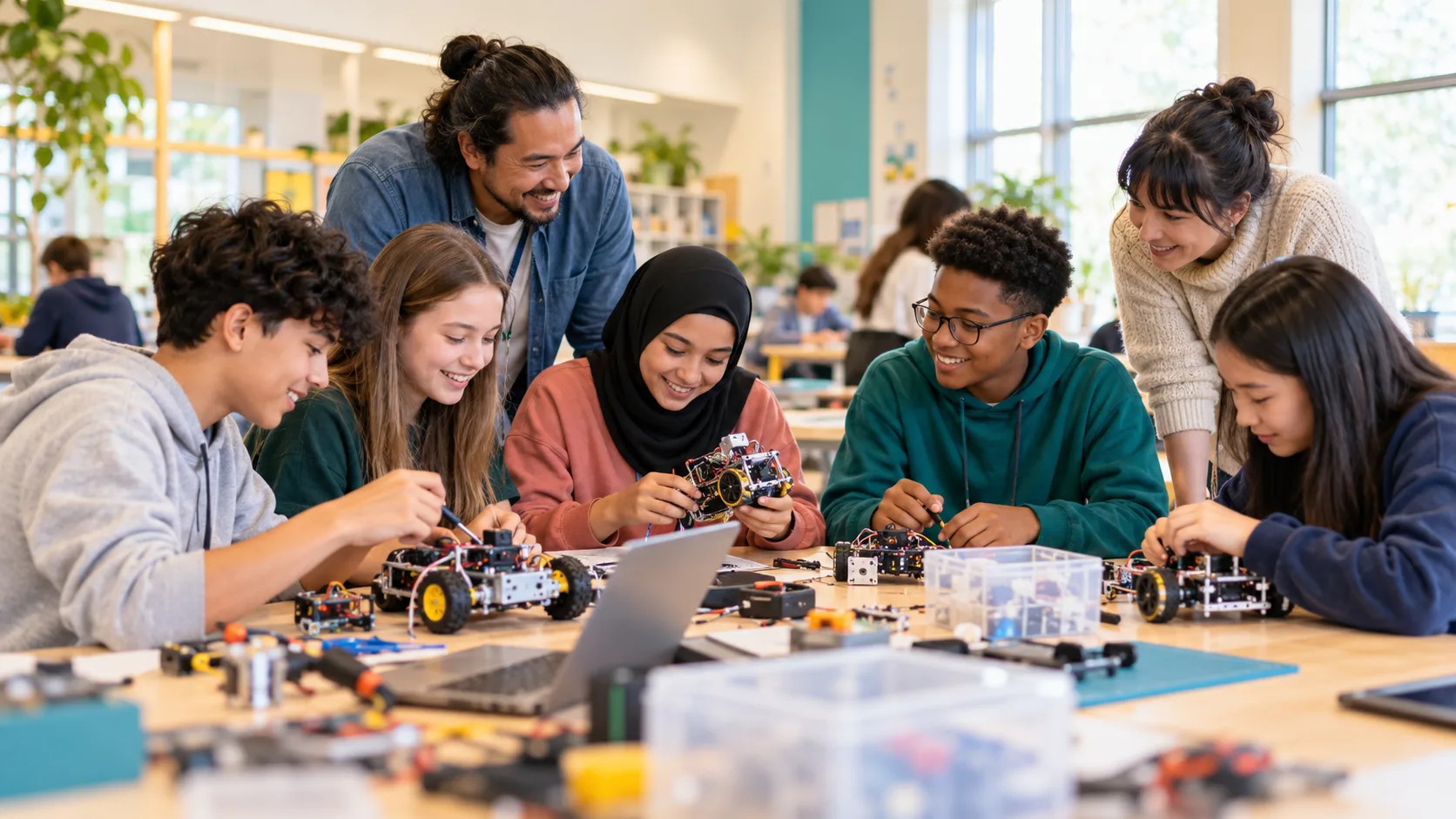
CIRC designs the capability pathway, practical projects, teaching approach, assessment evidence and progression in AI and robotics.
Wisdom Foundation
Wisdom Foundation brings a charitable education context and community connections that can help the programme reach and support diverse learners.
Shared purpose
The collaboration aims to help committed young people develop useful capability, confidence and responsible ways of applying emerging technology.
05 / How to become a Smart Rudder
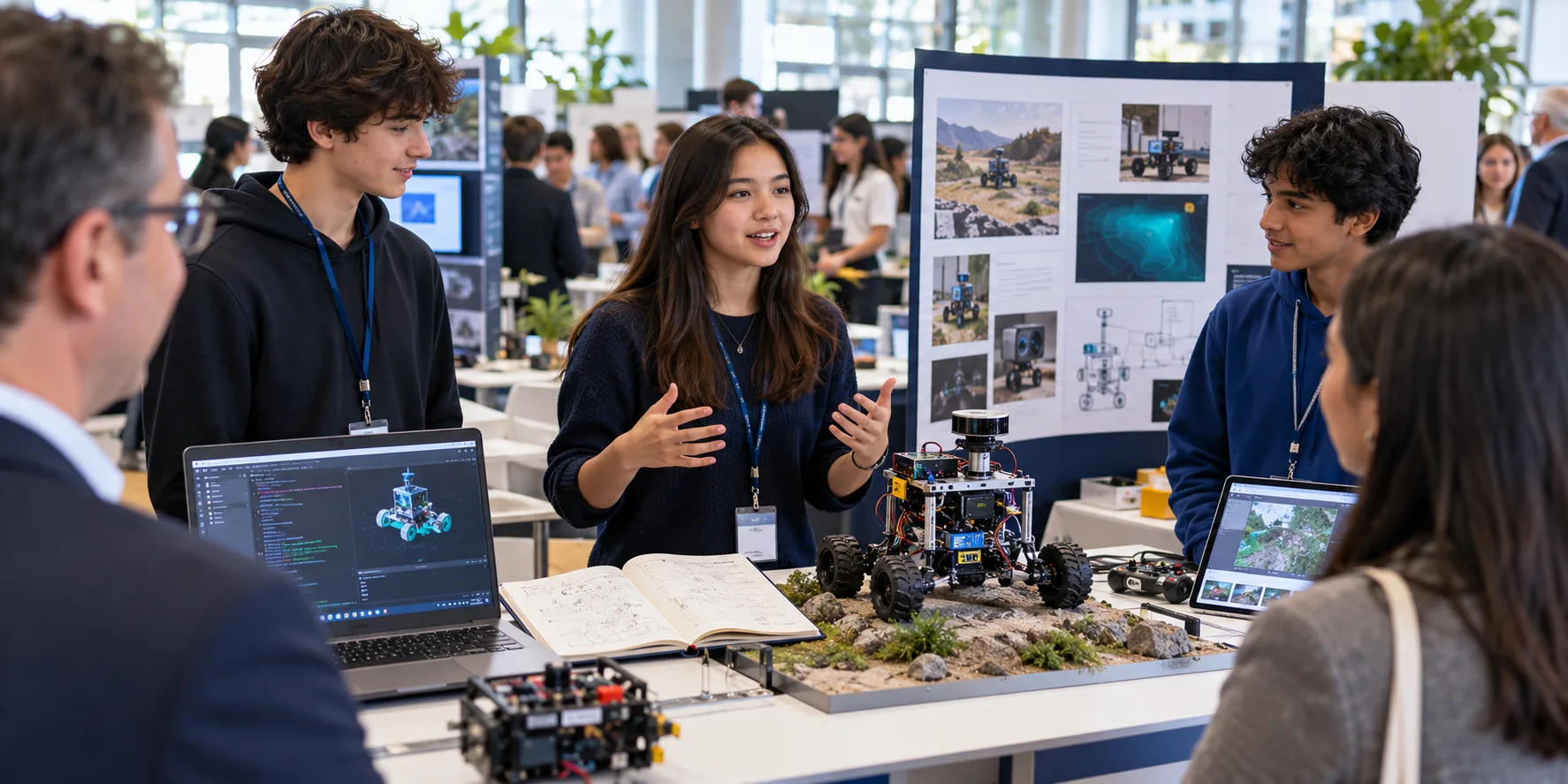
Students who join eligible CIRC training can apply for Smart Rudder recognition. Participation in training creates the opportunity to apply; recognition is based on demonstrated commitment, capability and responsible project practice rather than attendance alone.
Step 1
Begin at an appropriate level in a CIRC AI, coding, robotics or integrated project programme.
Step 2
Attend consistently, practise safely, work constructively with others and take responsibility for your own learning.
Step 3
Collect code, prototypes, design notes, test evidence and a clear explanation of what changed through feedback.
Step 4
Submit the agreed evidence and reflection for review. Successful applicants are recognised as Smart Rudders and encouraged to continue developing and supporting the learning community.
Join CIRC training
→
Practise & contribute
→
Build your evidence
→
Apply for recognition
Your next step
Students who join eligible CIRC training can build the capability and evidence needed to apply for Smart Rudder recognition.