Conference focus
AI in real classroom practice
Sessions explored responsible AI literacy, curriculum integration, teacher roles, classroom routines and ways to make student thinking visible when digital tools are used.
CIRC news · AI and robotics education in China
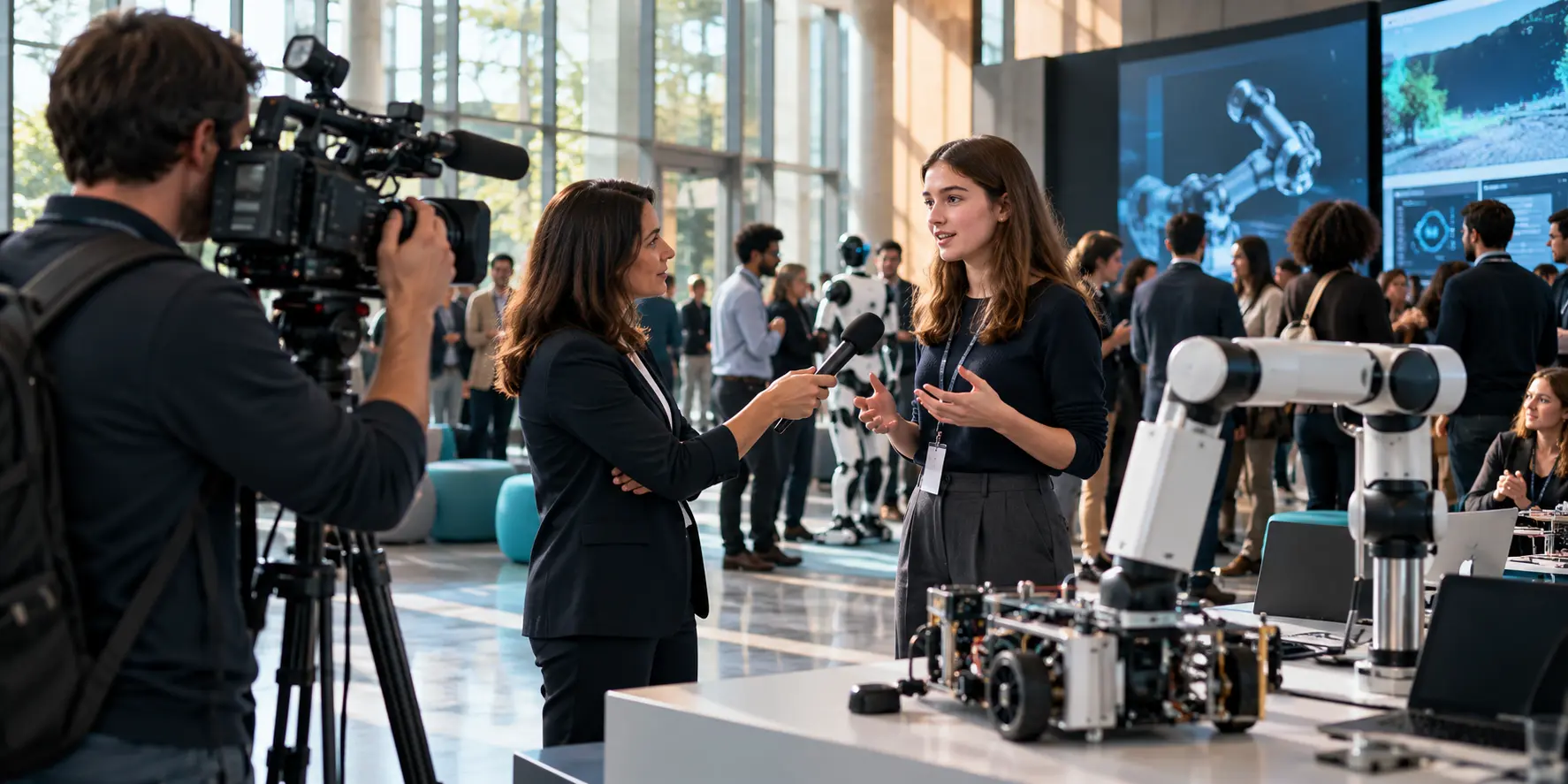
This newsroom highlights the practical work involved in delivering AI and robotics education in China—from classroom design and teacher development to student engineering, international collaboration and system-level leadership. Editorial images are illustrative. The conference participation figures below are based on programme information supplied to CIRC for this website.
China programmes
Teacher development
Student projects
International exchange
Featured news / International conference
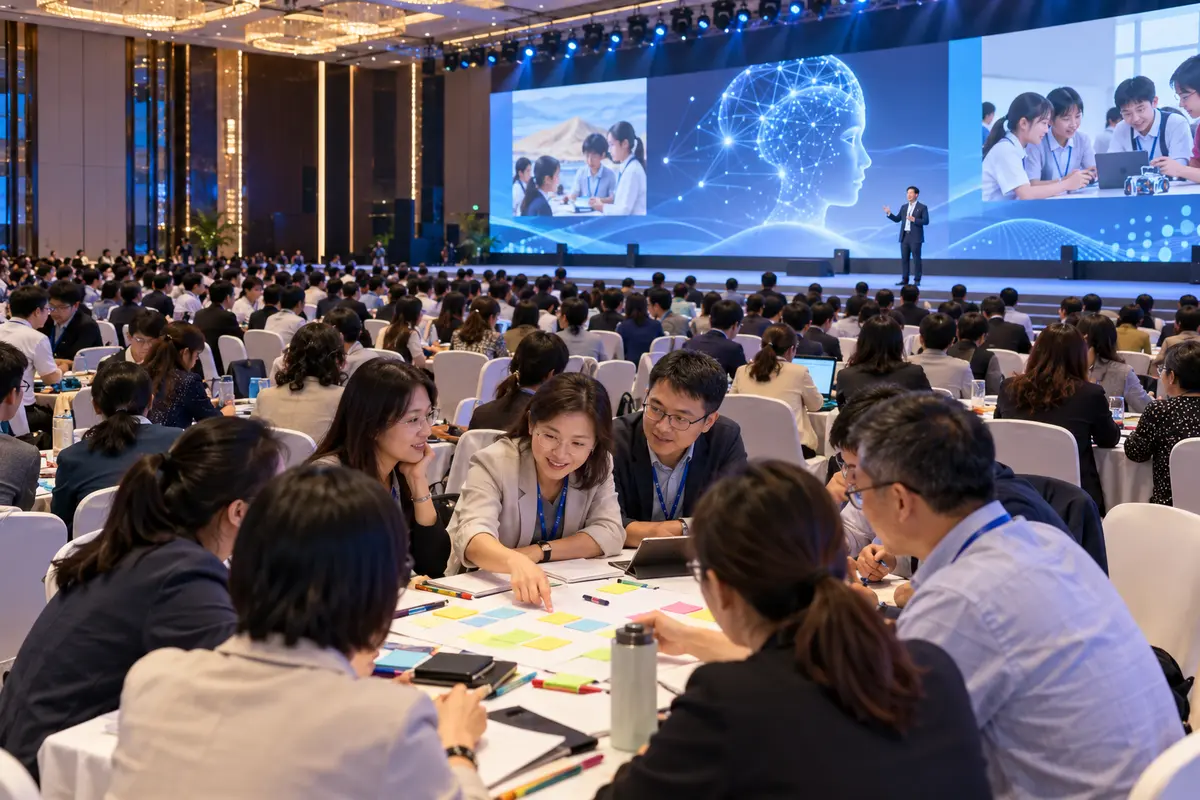
A recent international conference in China brought together approximately 500 school principals and teachers representing 150 schools to examine artificial intelligence, classroom activities and project-based group learning. The event focused on how schools can move from general discussion of AI to age-appropriate, teachable and assessable practice.
Conference focus
Sessions explored responsible AI literacy, curriculum integration, teacher roles, classroom routines and ways to make student thinking visible when digital tools are used.
Practical programme
Participants examined project briefs, collaborative roles, evidence of individual learning, prototype testing and the conditions needed to manage group work effectively.
Leadership outcome
The conference encouraged school leaders to identify a realistic first pilot, staff-development need, governance action and evidence plan rather than treating attendance as the end of implementation.
News 01 / Classroom delivery
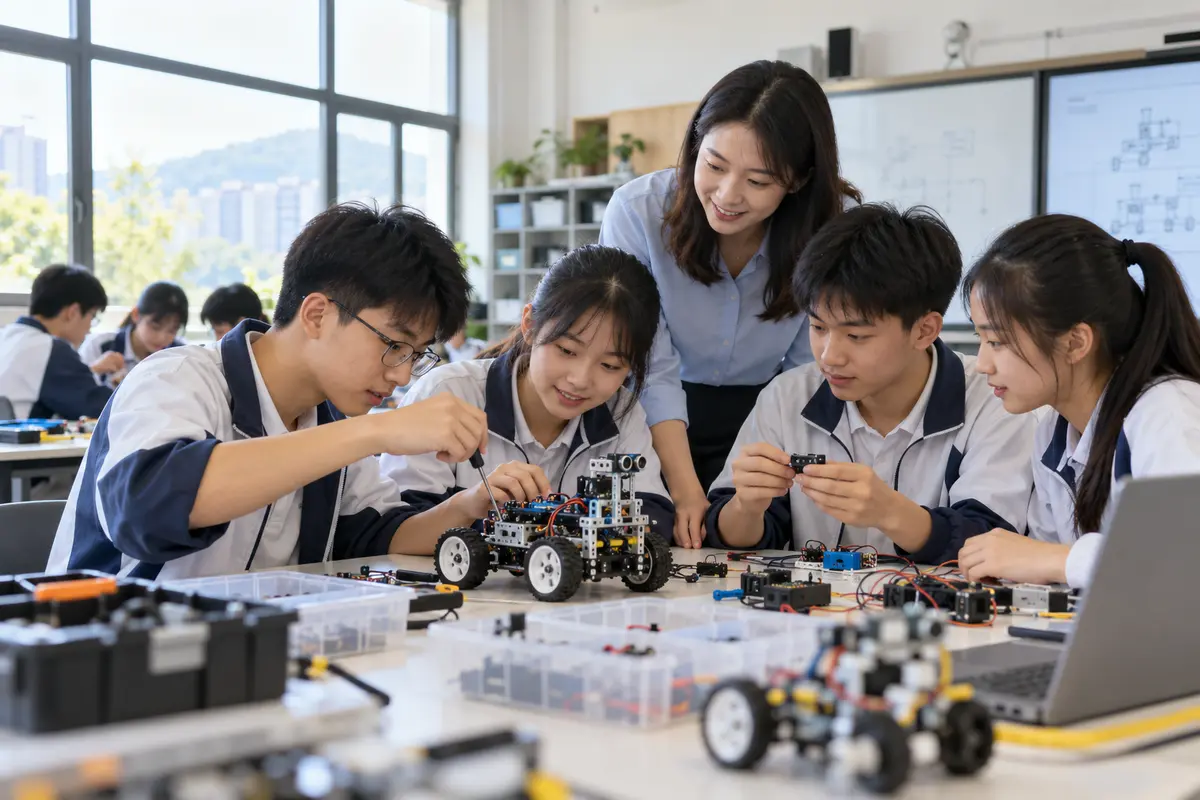
CIRC’s secondary delivery model organises robotics around an authentic mission rather than isolated equipment demonstrations. Students move through requirements, coding, sensor integration, testing and technical explanation while teachers retain a clear view of individual learning.
01
A shared introduction aligns vocabulary, safety, coding concepts and test methods before teams take responsibility for different technical tasks.
02
Product, software, hardware, data and test roles give students meaningful ownership while maintaining one system plan.
03
Design journals, annotated code, test records, demonstrations and short individual explanations support credible assessment.
News 02 / Primary education
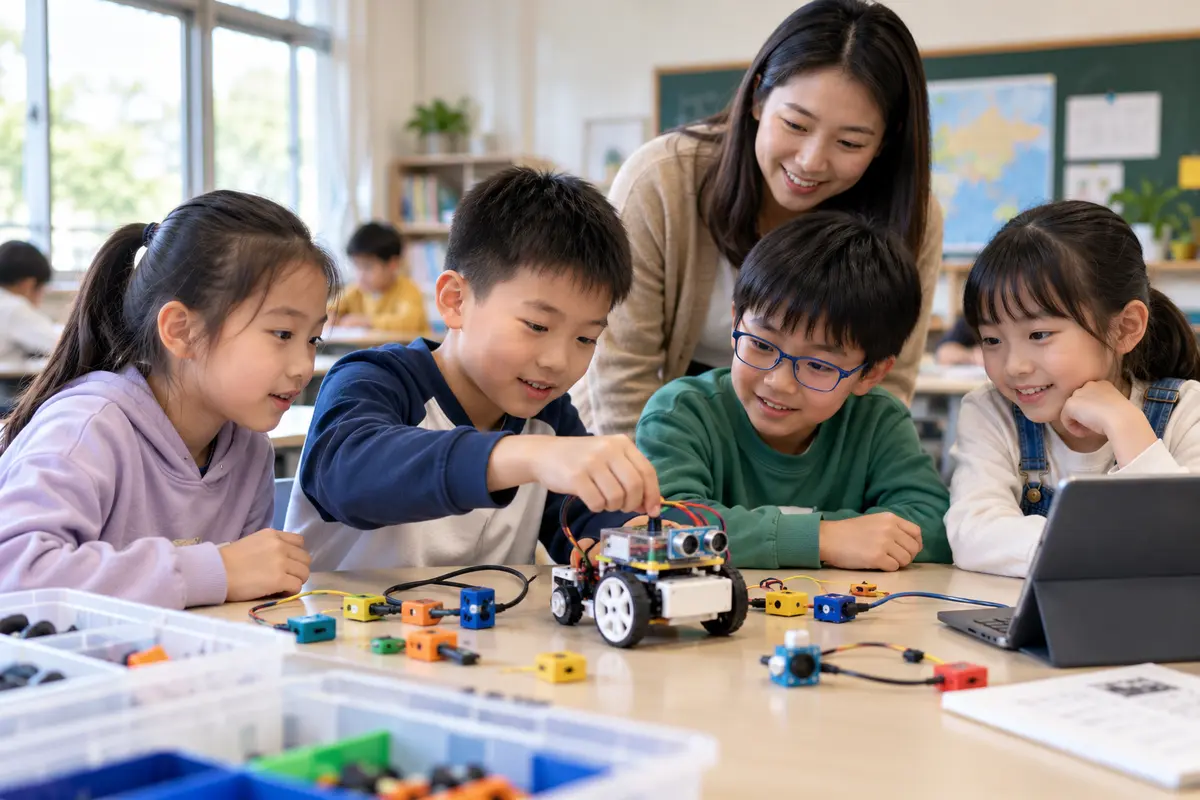
Primary AI education becomes meaningful when children can see how an input, rule or piece of data affects an outcome. CIRC’s age-appropriate approach uses physical models, visual coding, simple sensors and familiar classroom problems to build early understanding.
01
Pupils explore sequences, events, patterns and decisions through objects and observable behaviour before encountering more abstract AI vocabulary.
02
Children learn that computers can be wrong, private information should be protected and important decisions remain the responsibility of people.
03
Rotating builder, coder, tester and communicator roles allow different strengths to contribute to the project.
News 03 / Teacher development
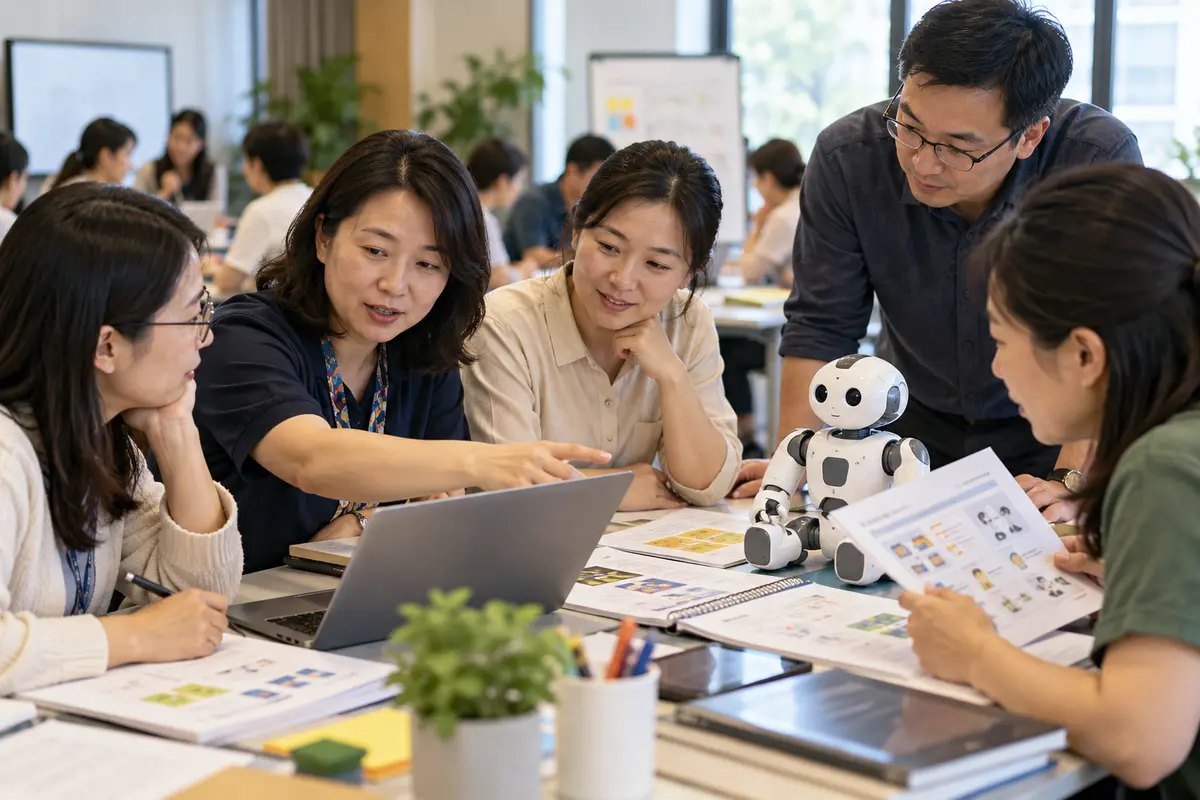
Effective AI and robotics education depends on teachers who can select appropriate tasks, recognise misconceptions, manage practical work and evaluate evidence. CIRC’s professional-learning model therefore begins with curriculum and classroom decisions rather than a tour of software products.
01
Educators connect learning objectives, prior knowledge, practical activity, questioning, assessment and responsible-use expectations.
02
Training addresses equipment preparation, accounts, connectivity, group roles, troubleshooting, time management and safe robot testing.
03
Reusable lesson structures, facilitator guides and review routines help school teams adapt programmes after initial support.
News 04 / Advanced engineering
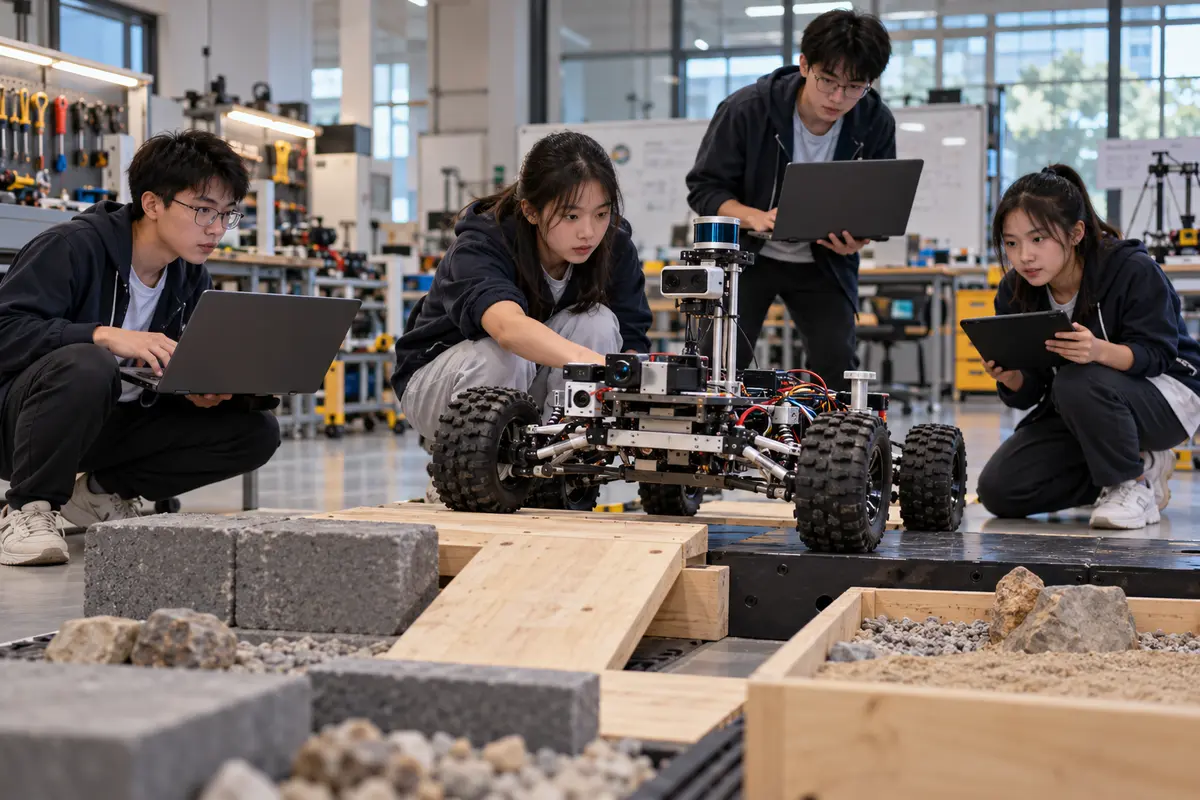
For older students, the most valuable learning happens when a system is tested outside ideal conditions. CIRC’s advanced rover projects ask teams to integrate perception, planning and control, then explain reliability, failure and human oversight.
01
Students connect sensors, software, communication, mechanics and operator interfaces through a documented architecture.
02
Changed lighting, obstacles, sensor noise, connection loss and repeated routes reveal weaknesses hidden by a single successful run.
03
Requirements, code, test results, risk controls and technical defence create stronger evidence for future study and employment pathways.
News 05 / Student product studio
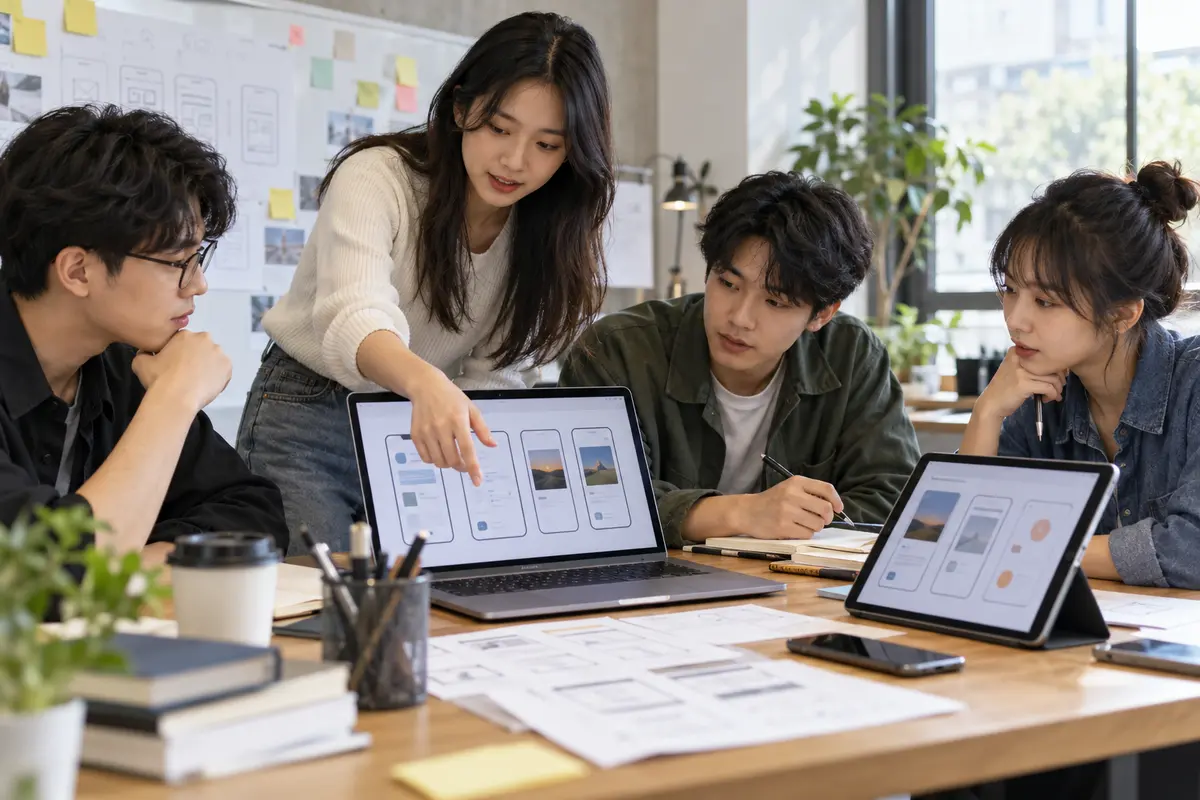
A student app project can teach far more than interface construction. CIRC’s project-based model asks teams to identify a real need, research users, prioritise features, manage data, build a minimum viable product and respond to structured testing.
01
Projects can address campus services, learning support, sustainability, accessibility or multilingual community information.
02
Product, user experience, development, data and quality responsibilities make contribution and accountability visible.
03
AI is included only where it has a justified role, with source checking, privacy boundaries, human review and known limitations documented.
News 06 / Physical AI
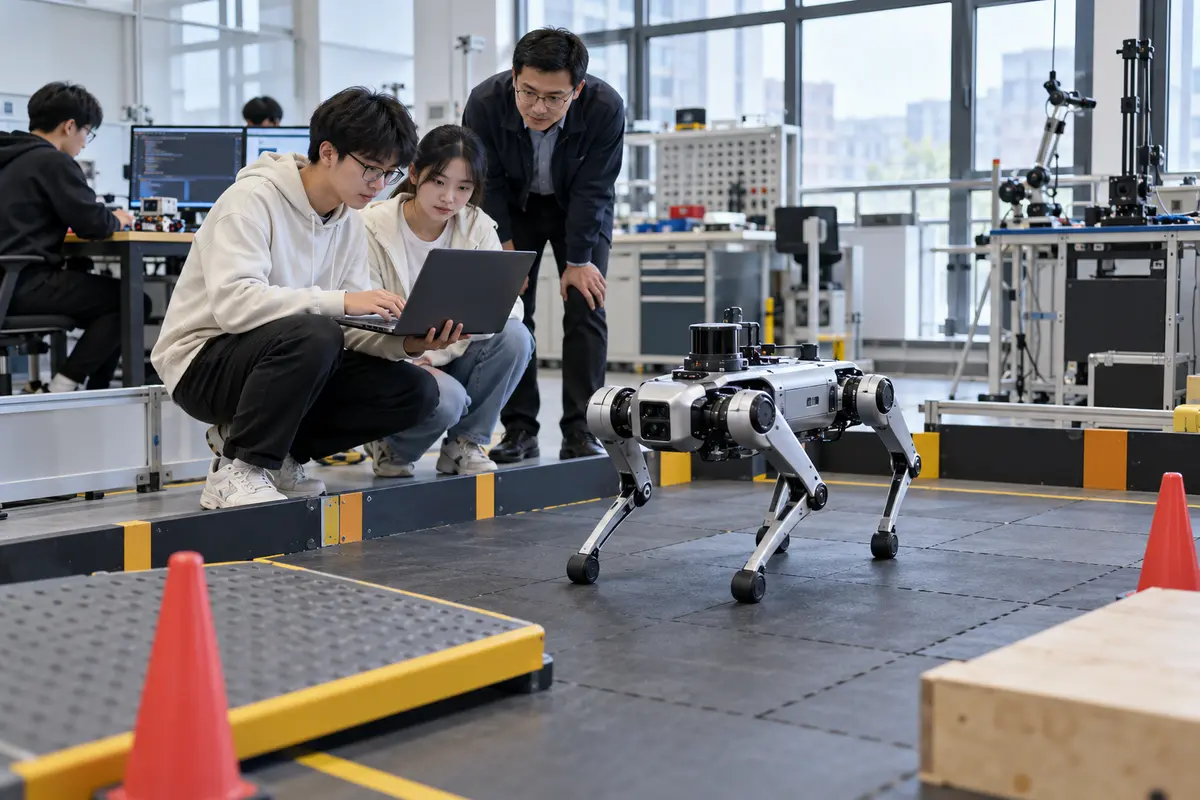
A robot dog is educationally valuable when students understand how mission, sensing, control, communication, interface and safety fit together. CIRC’s development framework turns the platform into a staged engineering environment rather than a spectacle.
01
Teams define a controlled inspection, mapping, demonstration or research task before deciding which robot behaviours to develop.
02
Supported SDKs and APIs connect movement, telemetry, perception and operator controls through testable components.
03
Movement zones, speed limits, emergency stop, connection-loss behaviour, equipment checks and adult supervision are established before trials.
News 07 / Sustainable schools
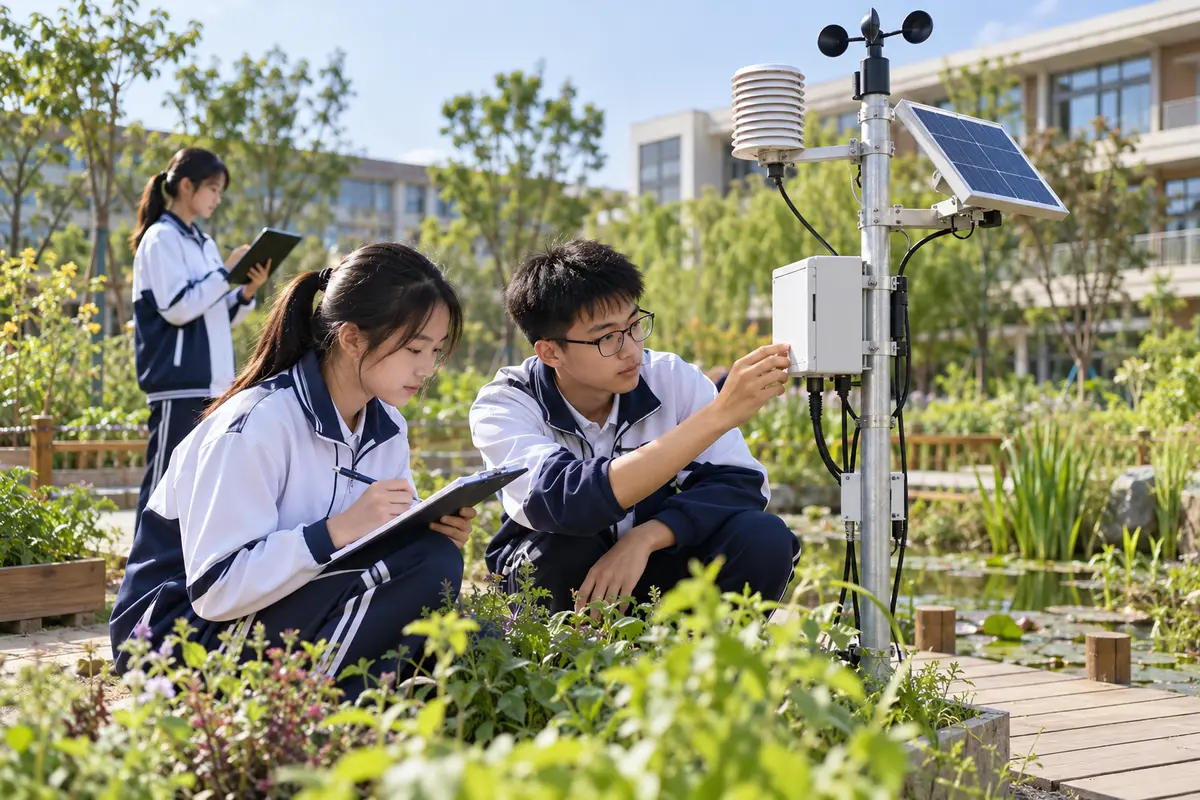
Chinese schools can use campus sustainability as a cross-curricular context for sensing, data analysis and intelligent-system design. Students investigate a locally relevant question instead of beginning with a predetermined technology.
01
Teams may examine heat, air quality, energy, water, waste or biodiversity using appropriate non-personal measurements.
02
Students agree units and sampling methods, identify missing or unreliable readings and avoid overstating patterns.
03
A dashboard, sensor prototype or recommendation separates observed evidence, modelled scenarios and human value judgements.
News 08 / International collaboration
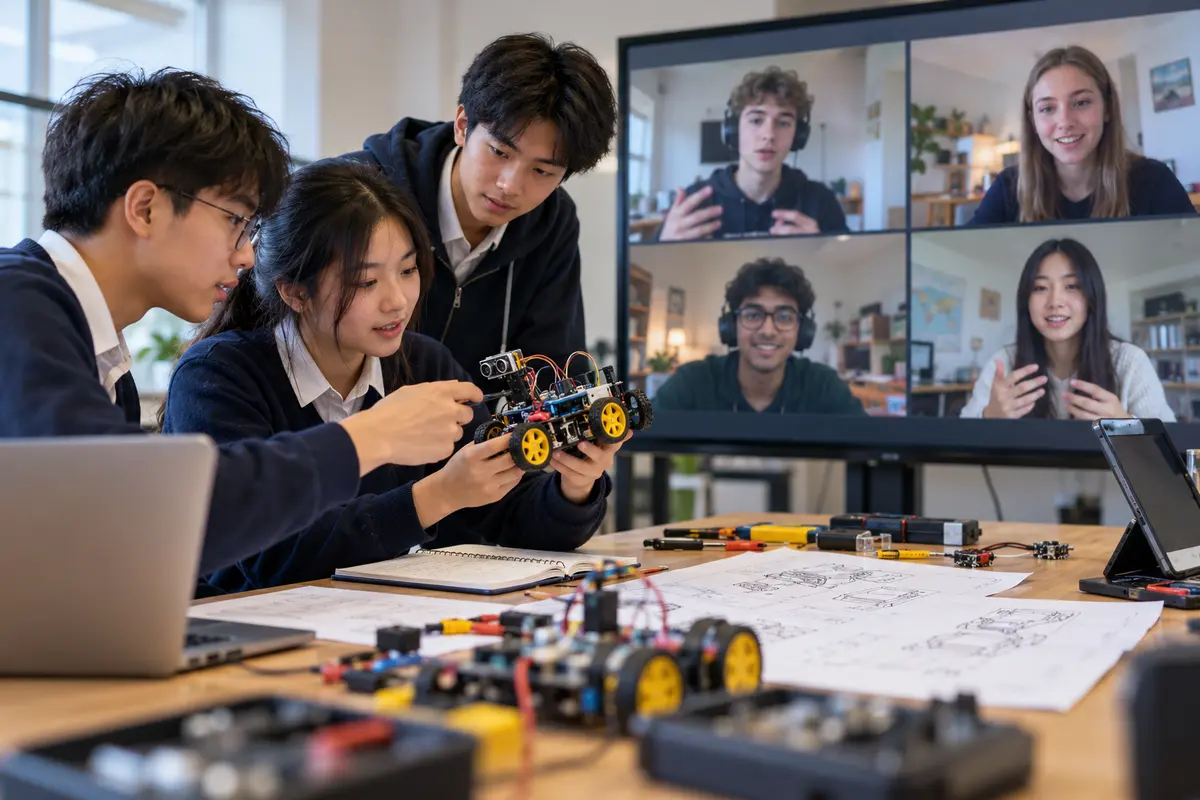
Cross-border collaboration is most effective when teams share a technical purpose, not only an online meeting. CIRC’s model uses common briefs, local evidence, defined roles and supervised milestones to make international work feasible for schools.
01
Schools align age, timetable, language support, platforms, safeguarding and project expectations before students begin.
02
Teams exchange requirements, data summaries, design reviews, modules or test evidence through approved school channels.
03
The final presentation shows both technical integration and what students learned from different contexts, assumptions and design choices.
Build the next programme
We can shape a class project, school pilot, international team or multi-school pathway around your learners.